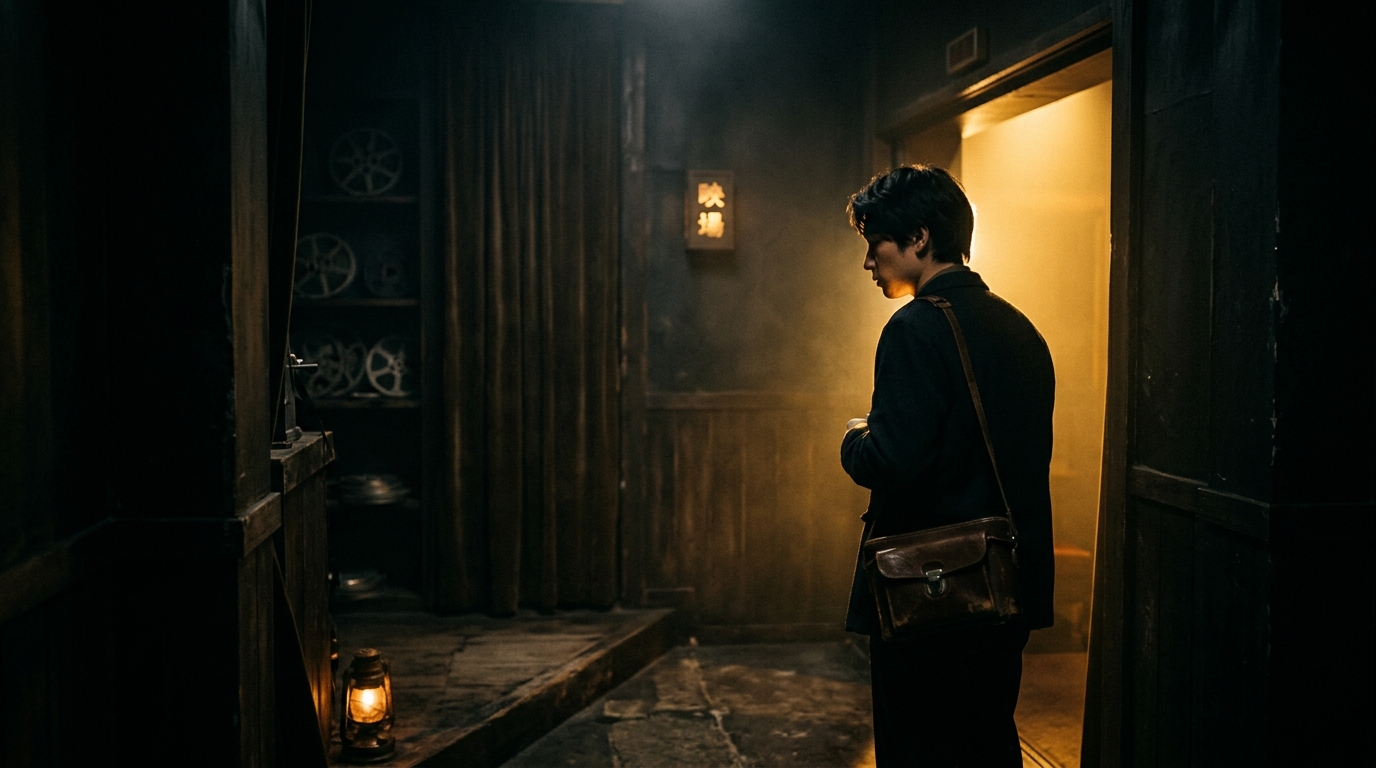
The Query
We ran a simple filter on our 20,000-film database: show all films with a Master Score of 85 or above — our composite metric combining IMDb, Rotten Tomatoes, audience scores, and cultural impact — that received zero Academy Award nominations.
The result: 1,349 films. Nearly 7% of our entire database consists of objectively excellent films that the Academy completely ignored.
The Biggest Snubs
The highest-Master-Score films with zero Oscar nominations read like an alternate-universe Best Picture list:
- The Good, the Bad and the Ugly (1966) — Master Score 95.9, IMDb 8.8, RT 97%
- Psycho (1960) — Master Score 95.3, IMDb 8.5, RT 96%
- Rear Window (1954) — Master Score 95.2, IMDb 8.5, RT 98%
- 12 Angry Men (1957) — Master Score 95.1, IMDb 9.0, RT 100%
- Spirited Away (2001) — Master Score ~92, IMDb 8.6, RT 97%
Consider 12 Angry Men: a perfect 100% on Rotten Tomatoes, a 9.0 IMDb rating that places it in the top 5 films of all time, and the Academy didn't nominate it for a single award. The film that professional critics unanimously consider flawless and that 974,000+ voters rate as near-perfect was invisible to the Oscars.
The Patterns
Analyzing the 1,349 snubbed masterpieces reveals structural biases in Oscar selection:
Genre bias: Dramas make up 316 of the snubs (23%), but Comedies account for 278 (21%) — suggesting the Academy's well-known bias against comedy is measurable. Horror and animation are disproportionately snubbed relative to their quality metrics.
Language bias: The vast majority of snubbed films are non-English. Films like Seven Samurai, Harakiri, Your Name., and Pather Panchali achieve Master Scores above 90 but were largely invisible to an Academy that has historically privileged English-language filmmaking. The Best International Feature category helps, but it's a single nomination versus the multiple categories available to English-language films.
Decade concentration: The 2010s produced 370 snubs — more than any other decade. This isn't because quality increased; it's because the volume of excellent filmmaking (global streaming, international accessibility, expanded distribution) grew faster than the Academy's nomination capacity. The Oscars nominate roughly the same number of films each year, but the pool of qualifying excellence has exploded.
The Hitchcock Problem
Alfred Hitchcock appears repeatedly in the snub data. Psycho (95.3), Rear Window (95.2), and Vertigo all achieved extraordinary quality metrics yet received limited or zero Oscar recognition. Hitchcock himself never won Best Director. This pattern — where a single filmmaker is systematically underrecognized despite producing quantifiably excellent work — suggests that the Academy's judgment is influenced by factors our metrics don't capture: personal politics, genre prejudice, campaign spending.
What the Data Proves
The Oscar nominations in our database correlate with Master Score at approximately r = 0.35 — a weak-to-moderate relationship. This means the Academy selects for quality, but imperfectly. A Master Score of 85+ gives a film roughly an 18% chance of nomination. For films scoring 95+, that rises to about 60%.
But a 40% miss rate at the 95th percentile of quality is significant. It means the Academy's judgment, while better than random, leaves hundreds of excellent films unrecognized every decade.
1,349 films. Master Score 85 or above. Zero nominations. The Oscar isn't wrong — it's just looking at a smaller screen than the data.